IFLA Joins Creative Commons in Outlining a Roadmap towards Open Culture
03 June 2024
Theo: https://www.ifla.org/news/ifla-joins-creative-commons-in-outlining-a-roadmap-towards-open-culture/
Bài được đưa lên Internet ngày: 03/06/2024
Creative Commons, một đối tác lâu năm của IFLA, đang dẫn đầu nỗ lực vận động cho một Khuyến nghị của UNESCO về Văn hóa Mở (Open Culture). Điều này sẽ tiếp nối các khuyến nghị hiện tại của UNESCO về Khoa học Mở và Tài nguyên Giáo dục Mở.
Vì mục tiêu của Văn hóa Mở tập trung vào việc làm cho di sản văn hóa dễ tiếp cận hơn vì lợi ích của tất cả mọi người, IFLA đã nhiệt tình ủng hộ nỗ lực này. Chúng tôi đã hợp tác với Creative Commons trong những năm qua để thúc đẩy cuộc thảo luận về Văn hóa Mở và đại diện cho các quan điểm đa dạng từ lĩnh vực thư viện, bao gồm cả tại Hội nghị Thượng đỉnh Toàn cầu của Creative Commons ở Mexico City vào tháng 9/2023.
IFLA một lần nữa tham gia cùng Creative Commons trong một hội thảo chuyên sâu tại Lisbon, Bồ Đào Nha được tổ chức vào tháng 5 năm 2024 để giúp vạch ra lộ trình hướng tới một khuyến nghị cuối cùng.
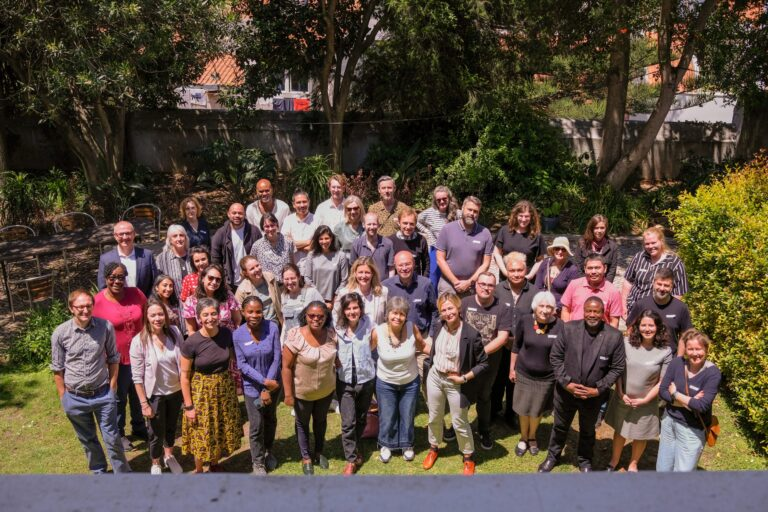
Open Culture Strategic Workshop Group Photo by Filipa Alfama, CC BY 4.0
Văn hóa Mở là gì?
Đã có một cuộc tranh luận sôi nổi về các thông số và định nghĩa của Văn hóa Mở trong bối cảnh dự án này. Theo quan điểm của IFLA, việc tập trung vào số hóa di sản văn hóa và làm cho các bộ sưu tập đó có sẵn cho giáo dục, nghiên cứu và làm giàu văn hóa là trọng tâm thực tế nhất.
Trong đó, IFLA nhấn mạnh sự cần thiết phải đưa ra các ngoại lệ đối với di sản văn hóa có thể không phù hợp với việc tiếp cận mở, chẳng hạn như di sản thuộc về các cộng đồng người bản địa.
Dưới góc độ của Creative Commons, di sản văn hóa được chia sẻ mở sẽ:
dễ dàng được tìm thấy hơn
tiếp cận được nhiều đối tượng khán giả rộng rãi và đa dạng hơn
có thể được bảo tồn, gìn giữ và hoàn thiện dưới dạng kỹ thuật số
có thể được (tái) sử dụng với sự đảm bảo cao hơn về mặt pháp lý
Di sản văn hóa mở dẫn tới:
Đơn vị lưu giữ bộ sưu tập thích ứng tốt hơn và gắn kết hơn với thực tiễn
Hoạt động nghiên cứu sôi nổi hơn và giáo dục mang tính tham gia cao hơn
Sự sáng tạo văn hóa năng động hơn
Các xã hội công bằng, dân chủ, đa dạng, tự do và bình đẳng hơn
Chúng tôi khuyến khích bạn tham khảo ấn phẩm sau để biết thêm thông tin: Lợi ích của Văn hóa Mở là gì? [Creative Commons, 2024] (bản dịch sang tiếng Việt).
Công việc của IFLA hướng tới một văn bản Khuyến nghị
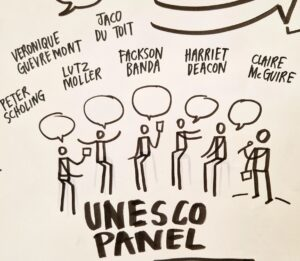
IFLA đã tham gia vào nhóm chuyên gia do Creative Commons quy tụ nhằm thúc đẩy việc xác định các bước tiếp theo trong nỗ lực xây dựng một văn bản khuyến nghị liên chính phủ về Văn hóa Mở.
Bà Claire McGuire, Quản lý phụ trách Chính sách và Vận động, đã điều phối một phiên thảo luận với sự tham gia của các đại diện UNESCO ở cấp quốc gia, khu vực và quốc tế. Phiên thảo luận này đã tạo nền tảng thực tiễn cho hội thảo thông qua việc trình bày các quy trình mà UNESCO áp dụng để xây dựng những văn bản mang tính chuẩn mực như vậy.
Điều này có ý nghĩa gì đối với các thư viện?
Trong thời gian tới, IFLA sẽ tiếp tục đóng vai trò chủ chốt cùng với các đối tác từ Creative Commons để triển khai nỗ lực này. Đối với các thư viện, đây là cơ hội để tác động vào một quy trình nhằm thúc đẩy các cam kết quốc gia, từ đó tạo ra môi trường thuận lợi giúp thư viện hoàn thành sứ mệnh của mình.
Khi công việc được triển khai, IFLA sẽ tìm kiếm các cơ hội để đại diện cho quan điểm của ngành thư viện và lan tỏa tiếng nói của các thành viên, hướng tới một kết quả mang lại giá trị cho lĩnh vực thư viện.
Hãy tiếp tục theo dõi để cập nhật thêm thông tin!
IFLA xin gửi lời cảm ơn chân thành đến Creative Commons vì đã mời chúng tôi tham gia hội thảo này!
Liên hệ: Claire McGuire (claire.mcguire@ifla.org)
Creative Commons, a longstanding partner of IFLA, is leading an effort to advocate for a UNESCO Recommendation on Open Culture. This would follow in the footsteps of current UNESCO recommendations on Open Science and Open Educational Resources.
As the goal of Open Culture centres on making cultural heritage more accessible for the benefit of all people, IFLA has been a keen supporter of this effort. We have been collaborating with Creative Commons over the past years to drive forward the discourse on Open Culture and represent diverse perspectives from the library sector, including at the Creative Commons Global Summit in Mexico City in September 2023.
IFLA once again joined Creative Commons for an intensive workshop in Lisbon, Portugal held in May 2024 to help outline a pathway towards an eventual recommendation.
What is Open Culture?
There has been a rich debate on the parameters and definitions of Open Culture in the context of this project. In IFLA’s perspective, a focus on digitising cultural heritage and making those collections available for education, research, and cultural enrichment is the most realistic focus.
In this, IFLA stresses the need to carve out exceptions for cultural heritage that might not be appropriate for open access, such as that belonging to Indigenous communities.
From the perspective of Creative Commons, openly shared cultural heritage:
is easier to find
reaches broader and more diverse audiences
can be preserved, safeguarded and refined in digital form
can be (re)used with more legal certainty
Open cultural heritage leads to:
More resilient and relevant collection holders
More vibrant research and more participatory education
More dynamic cultural creativity
More just, democratic, diverse, free, and equitable societies
We encourage you to refer to this publication for more information: What are the Benefits of Open Culture? [Creative Commons, 2024].
IFLA’s Work Towards a Recommendation
IFLA was represented in a group of experts brought together by Creative Commons to further work towards identifying next-steps in the pursuit of an intergovernmental recommendation on Open Culture.
Policy and Advocacy Manager Claire McGuire moderated a panel of UNESCO representatives from the national, regional, and international levels. This grounded the workshop by laying out the processes UNESCO follows to create such normative instruments.
What does this mean for libraries?
Going forward, IFLA will continue to play a central role together with partners from Creative Commons to elaborate this effort. For libraries, this means a chance to influence an process which advances national commitments that create an enabling environment for libraries to succeed in their mission.
As the work develops, IFLA will identify opportunities to represent library perspectives and amplify the voices of our members towards an outcome that will hopefully bring value to the library sector.
Stay tuned for more!
IFLA gives a big thank you to Creative Commons for involving us in this workshop!
Contact: Claire McGuire (claire.mcguire@ifla.org)
Dịch: Lê Trung Nghĩa
letrungnghia.foss@gmail.com

Không có nhận xét nào:
Đăng nhận xét
Lưu ý: Chỉ thành viên của blog này mới được đăng nhận xét.